Cyber Insurance

Cyber Insurance · · 9 min read
AI Tooling RCE: The Sublimit Layer Underwriters Rarely Underwrite
Two RCE chains in AI development platforms this week land at CVSS 9.9. The insurance angle is the control panel sitting underneath.

Cyber Insurance · · 9 min read
SolarWinds SAML Bypass: The IT Ticketing Supply-Chain Path
A CVSS 9.8 SAML bypass in SolarWinds Web Help Desk — same 3X pattern. What IT ticketing tool runs your broker-portal SSO?

Cyber Insurance · · 7 min read
AM Best and S&P Flag Cyber Pricing Risks: What Underwriters Should Do at Renewal
AM Best and S&P both flagged cyber pricing risks — flat premium, rising third-party claims. What underwriters should do at renewal.

Cyber Insurance · · 7 min read
Healthcare Ransomware +14%: Why Billers Now Drive Cyber Claims
H1 2026 healthcare ransomware hit 410 incidents, but the loss pattern shifted to billers and wholesalers. Here is what that changes for cyber underwriting.

Openclaw · · 6 min read
OpenClaw Authentication Bypass Exposes Browser Sessions: A Coverage Red Flag for Cyber Underwriters
CVE-2026-43575 (CVSS 9.8) is an unauthenticated authentication bypass in OpenClaw noVNC helper routes that exposes browser session credentials — a coverage- and renewal-relevant risk for any cyber underwriter writing errors-and-omissions, crime, or cyber liability for environments using sandboxed browser-based access.
Openclaw · · 6 min read
OpenClaw Privilege Escalation Weakens Sandbox Isolation: A New Renewal Question for Cyber Insurers
CVE-2026-43578 (CVSS 9.1) lets unprivileged actors escalate to root in OpenClaw via background-task verification flaws — renewing cyber underwriters should add sandboxed-orchestrator exposure to the renewal file.
Cyber Insurance · · 8 min read
One Salesforce Integration Breach Just Hit 200 Cyber Insureds
A four-year-old Salesforce credential on Klue cascaded into ~200 simultaneous claims in June 2026 — the canonical aggregation-risk event of the year.

Supply Chain · · 9 min read
When the Underwriter Becomes the Target: Supply Chain Attacks Are Coming for Insurance
Insurers price everyone else's supply chain risk. Now the same attacks target underwriting infrastructure itself — pricing models, portfolios, and TPAs.
Incident Tracker · · 8 min read
LOTL 2.0 Incident Tracker: Documented Cases of AI-Augmented Living-Off-the-Land Attacks (2025–2026)
Living document tracking confirmed and suspected cases of autonomous or AI-augmented LOTL attacks in the wild. Updated as new evidence emerges. Includes attack chain analysis, tradecraft observations, and underwriting takeaways for each incident.

Resilience Stack · · 21 min read
The Resilience Stack™: A 5-Layer Framework for Cyber Insurance Risk Assessment
Introducing the Resilience Stack™ — RESILIENTLY's proprietary framework for evaluating cyber risk across five layers: threat landscape, exposure surface, regulatory posture, financial impact, and insurance readiness.
Cyber Insurance · · 6 min read
The Cyber Insurance Submission Crisis: 7 Reasons Brokers Can't Afford Manual Risk Assessments in 2026
Cyber insurance submissions are broken. With premiums up 11% and carriers demanding quantified risk data, brokers who still prepare submissions manually are losing deals. Here's what's changing in 2026.
NIS 2 · · 4 min read
NIS2 Compliance Is Now an Underwriting Requirement — Every Broker's Duty of Care
The NIS2 transposition deadline has passed. With fewer than 10% of critical entities fully compliant, carriers are starting to exclude non-compliant organizations from coverage. For insurance brokers, failing to verify client NIS2 status is now a professional liability risk. Here's what you need to know.

Brokers · · 8 min read
How to Prepare a Cyber Insurance Submission in 2026: The Complete Broker's Guide
A step-by-step guide for insurance brokers preparing cyber submissions in 2026. Covers NIS2, DORA requirements, what underwriters actually check, common submission mistakes, and how the Instant Broker Scorecard cuts prep time from 3 hours to 3 seconds.

Brokers · · 4 min read
Instant Broker Scorecard (IBS): From Domain to Submission in 3 Seconds
The Instant Broker Scorecard (IBS) turns any domain into an underwriter-ready risk assessment in 3 seconds — with financial exposure estimates in EUR, underwriter recommendations, and a printable PDF your carrier will actually read.

Detection Gap · · 8 min read
The LOTL 2.0 Detection Gap: Why Your Current Security Stack May Be Blind to the Next Generation of Attacks
Detailed analysis of the specific detection blind spots that autonomous LOTL attacks exploit — and the behavioral analytics, identity monitoring, and architectural changes that close them. Includes a control effectiveness matrix for underwriters and risk engineers.

AI Risk · · 5 min read
Beazley vs. Allianz: Two Approaches to AI Risk in Cyber Insurance — What Brokers Must Know in 2026
Beazley uses flat 10% AI sublimits, Allianz uses individual risk assessment with up to 30% uplift. A detailed comparison of the two dominant approaches and what DACH brokers need at renewal.

AI Agents · · 7 min read
An AI Agent Deleted a Startup's Production Database — Can You Insure Against That?
PocketOS lost its production database to a Cursor AI agent in 9 seconds. The incident exposes a gap in cyber insurance that most policies don't cover: AI-caused operational destruction with no external attacker.
Cyber Insurance · · 5 min read
Your Policy Says Cyber Event — But What Risk Does That Actually Expose?
Most cyber insurance policies define 'cyber event' so broadly that the term becomes meaningless for underwriting. Here is why that one definition matters more than any exclusion clause.

Underwriting · · 5 min read
Pricing Blind: When You Can't See the Risk You're Insuring
Cyber underwriters are pricing policies based on questionnaires and self-reported data while the real attack surface stays hidden. Here is what you are missing and how to fix it.
Residual Risk · · 6 min read
Residual Risk Is Why Insurance Exists
Security reduces risk. It never eliminates it. The gap between what controls can achieve and what remains is residual risk — the entire reason cyber insurance exists. And it is the most under-discussed concept in the industry.
Underwriting · · 8 min read
The LOTL 2.0 Underwriting Playbook: Risk Selection Criteria When the Attacker Is an Algorithm
Practical underwriting framework for assessing cyber risk in the era of autonomous LOTL attacks. Includes revised risk scoring matrices, control weight adjustments, and application question updates for underwriters.

AI Risk · · 4 min read
AI Risk Loading: Why Insurers Are Adding 10-15% and What It Means for Cyber Coverage
Allianz's blanket surcharge on AI-related cyber coverage is the industry's first systematic attempt to price AI risk. Here's what brokers and risk engineers need to know.
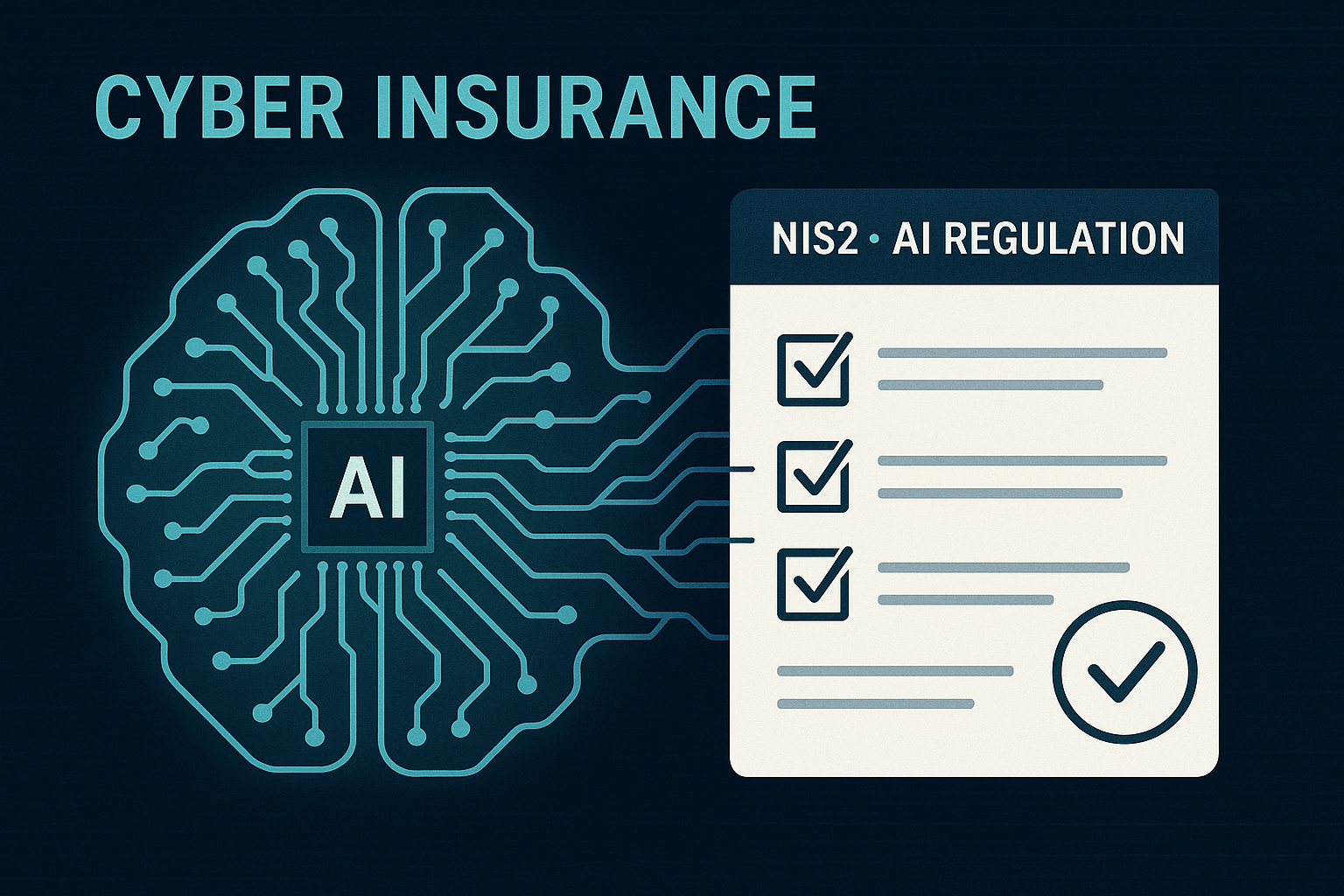
NIS 2 · · 9 min read
The NIS2 + AI Coverage Gap: When Your Cyber Policy Won't Cover the Incident NIS2 Requires You to Report
NIS2 mandates AI incident reporting for hundreds of thousands of EU entities. But most cyber insurance policies contain silent AI exclusions, sublimits, or ambiguity that leave insureds paying for AI incident response out of pocket — even though NIS2 required them to report the incident in the first place.

Cyber Insurance · · 6 min read
Zurich's £8.1B Beazley Acquisition: What It Means for Cyber Insurance's Future
Zurich Insurance just agreed to acquire Beazley for £8.1 billion — the largest cyber insurance deal in history. Here's what the acquisition means for brokers, underwriters, and the broader cyber risk market.
AI Agents · · 9 min read
Living-Off-the-Land 2.0: How Autonomous AI Agents Are Weaponizing LOTL Tradecraft — And What It Means for Cyber Underwriting
The convergence of agentic AI and living-off-the-land attack techniques is collapsing three attacker constraints at once: cost, skill, and detectability. A deep analysis of demonstrated capabilities, real incidents, and the underwriting implications that should reshape your risk selection in 2026.
Cloud Outage · · 7 min read
Cloud Outage Loss Scenario: When Your Infrastructure Provider Goes Dark
A realistic loss scenario analyzing what happens when a major cloud provider outage strikes — business interruption cascades, insurance triggers, and the coverage gaps that leave policyholders exposed.
Cyber Insurance · · 14 min read
Cyber Insurance Policy Wording: 12 Essential Clauses Every Underwriter and Broker Must Check in 2026
Practitioner guide to cyber insurance policy wording — the 12 critical clauses that determine coverage scope, exclusions, and claims outcomes. Written for underwriters, brokers, and risk managers comparing cyber policies in 2026.

Insider Threat · · 7 min read
Insider Threat Loss Scenario: The Privileged Employee Who Walked Away With Everything
A detailed loss scenario analyzing an insider threat data exfiltration event — from detection through forensic investigation, regulatory reporting, and insurance recovery. Underwriters need to understand how insider claims differ from external attacks.

Ransomware · · 6 min read
Ransomware Underwriting Models in 2026: From Flat Premiums to Dynamic Risk Pricing
Cyber underwriters still using flat ransomware pricing are leaving money on the table. Here is how leading insurers are building dynamic pricing models using threat intelligence, sector exposure, and real-time data.
Supply Chain · · 7 min read
Supply Chain Attack Loss Scenario: What Happens When Your Vendor Gets Compromised
A detailed walkthrough of a realistic supply chain cyber attack loss scenario — from initial compromise through business interruption, third-party claims, and insurance recovery. Essential reading for underwriters pricing vendor-dependent risks.
Cyber Insurance · · 10 min read
Cyber Insurance Renewal Guide: How to Review, Renegotiate, and Switch Providers in 2026
Everything you need to know about renewing your cyber insurance policy in 2026. Learn when to start the renewal process, how to negotiate better premiums, what coverage changes to watch for, and when switching providers makes sense.

DORA · · 16 min read
DORA ICT Risk Management Framework: Complete Practitioner Guide for Financial Institutions and Their Insurers in 2026
Comprehensive guide to the Digital Operational Resilience Act (DORA) ICT risk management framework. Covers all 5 pillars, compliance requirements, underwriting implications, and the intersection with NIS2 for EU financial institutions.
NIS 2 · · 12 min read
How to Prepare for a NIS2 Audit: Documentation, Evidence, and Compliance Verification Guide (2026)
Complete guide to NIS2 audit preparation. Covers documentation requirements by Article, evidence collection, common failures, management liability, and a 30-day pre-audit checklist for in-scope EU entities.

NIS 2 · · 12 min read
How to Conduct a NIS2 Gap Analysis: Step-by-Step Readiness Assessment for 2026
Complete NIS2 gap analysis methodology with step-by-step instructions, free checklist template, and readiness scoring framework. Identify compliance gaps across all 10 Article 21 measures, incident reporting, governance, and supply chain security before your national authority does.

NIS 2 · · 8 min read
NIS2 Ireland Preparation Guide: National Cyber Security Bill, NCSC Ireland and CyFun Framework for 2026
Complete guide to NIS2 preparation in Ireland. Covers the pending National Cyber Security Bill, NCSC Ireland authority, CyFun compliance framework adopted from Belgium, 15 Risk Management Measures, entity classification expectations, and what organizations should do now despite legislation not yet enacted.
NIS 2 · · 10 min read
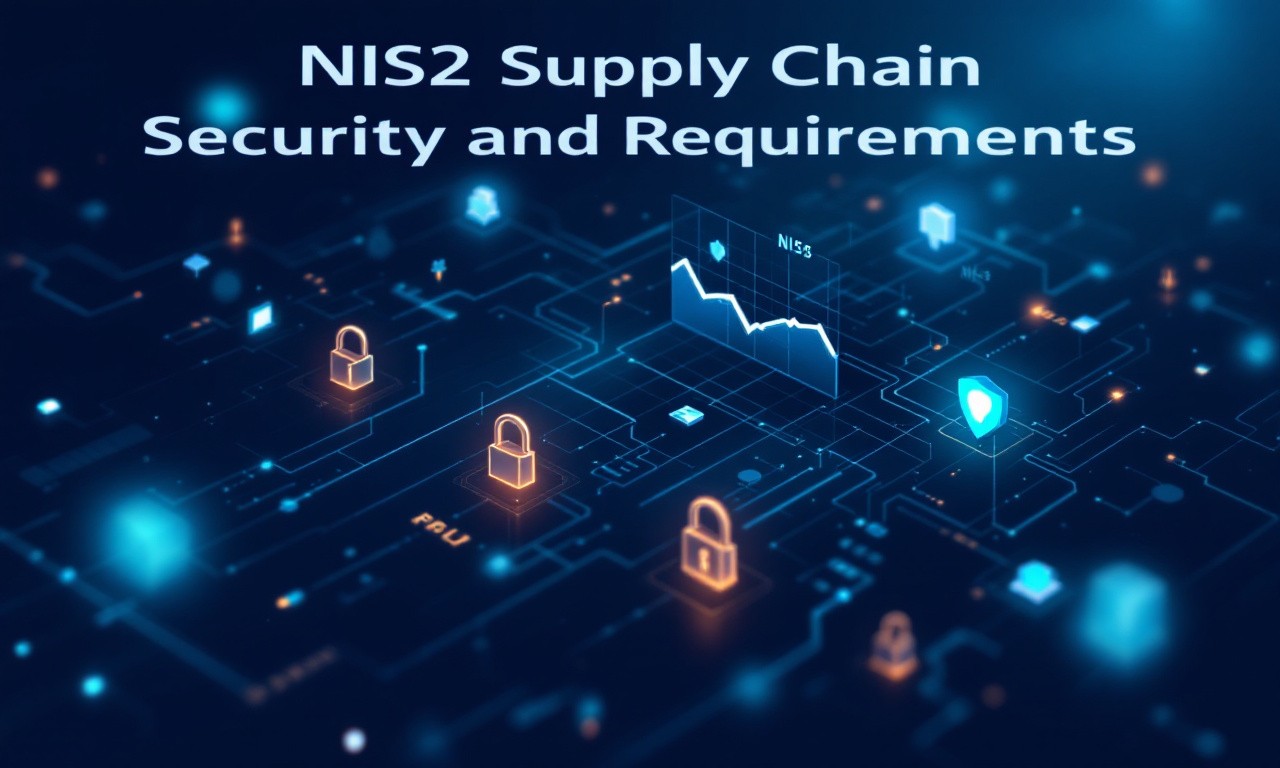
NIS2 Supply Chain Security Requirements: Third-Party Risk Management Guide for 2026
NIS2 Article 21 mandates supply chain security for all essential and important entities. Complete guide to third-party risk assessments, vendor security clauses, supply chain vulnerability monitoring, and compliance evidence — with free checklist and implementation templates.

NIS 2 · · 13 min read
Critical Infrastructure Underwriting Under NIS2: Healthcare, Energy, and Transport in 2026
A sector-by-sector guide for cyber underwriters on NIS2 critical infrastructure compliance in healthcare, energy, and transport — including specific requirements, claim trends, underwriting questions, and coverage implications.
Cyber Resilience Act · · 12 min read
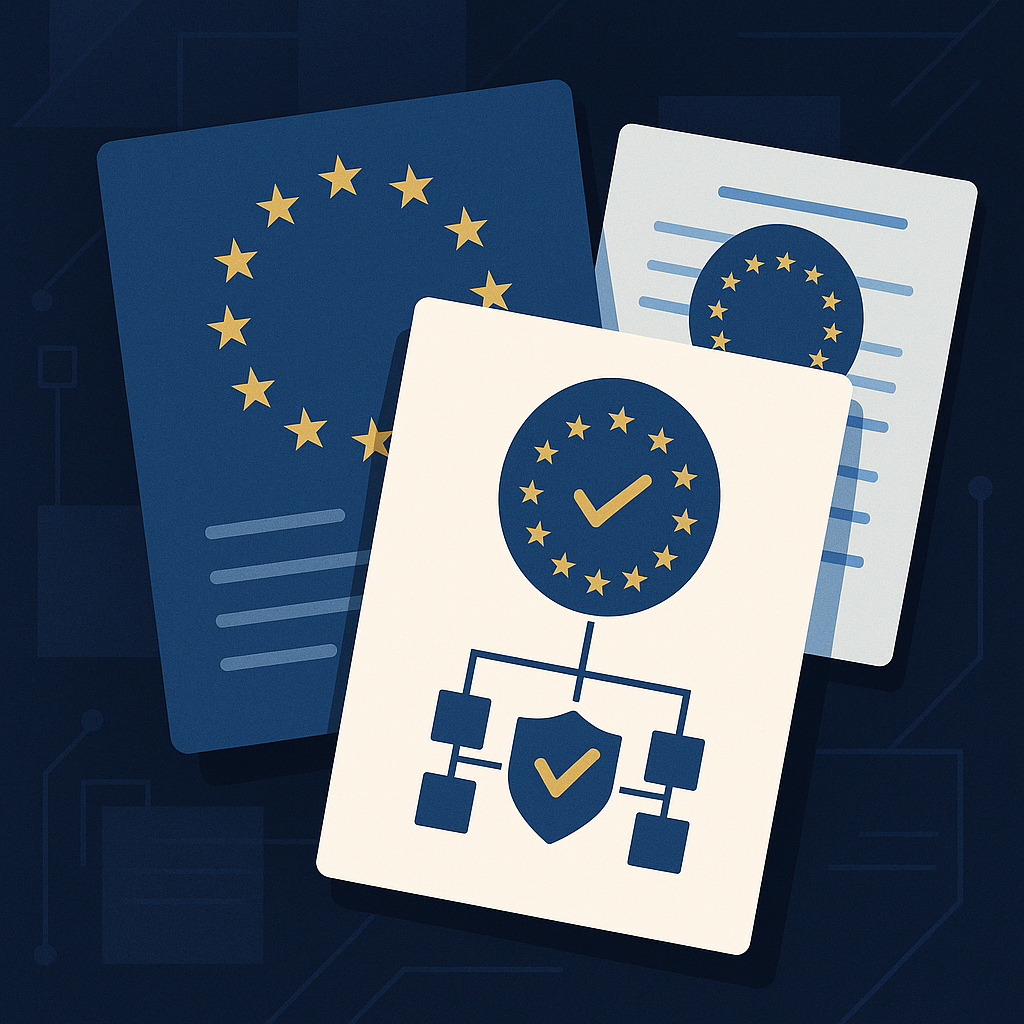
Cyber Resilience Act vs NIS2 vs DORA: Which Regulation Applies to My Insured?
A practical comparison of the three major EU cybersecurity regulations — CRA, NIS2, and DORA — explaining scope, timelines, requirements, and what cyber insurance underwriters need to ask clients in 2026.
NIS 2 · · 11 min read
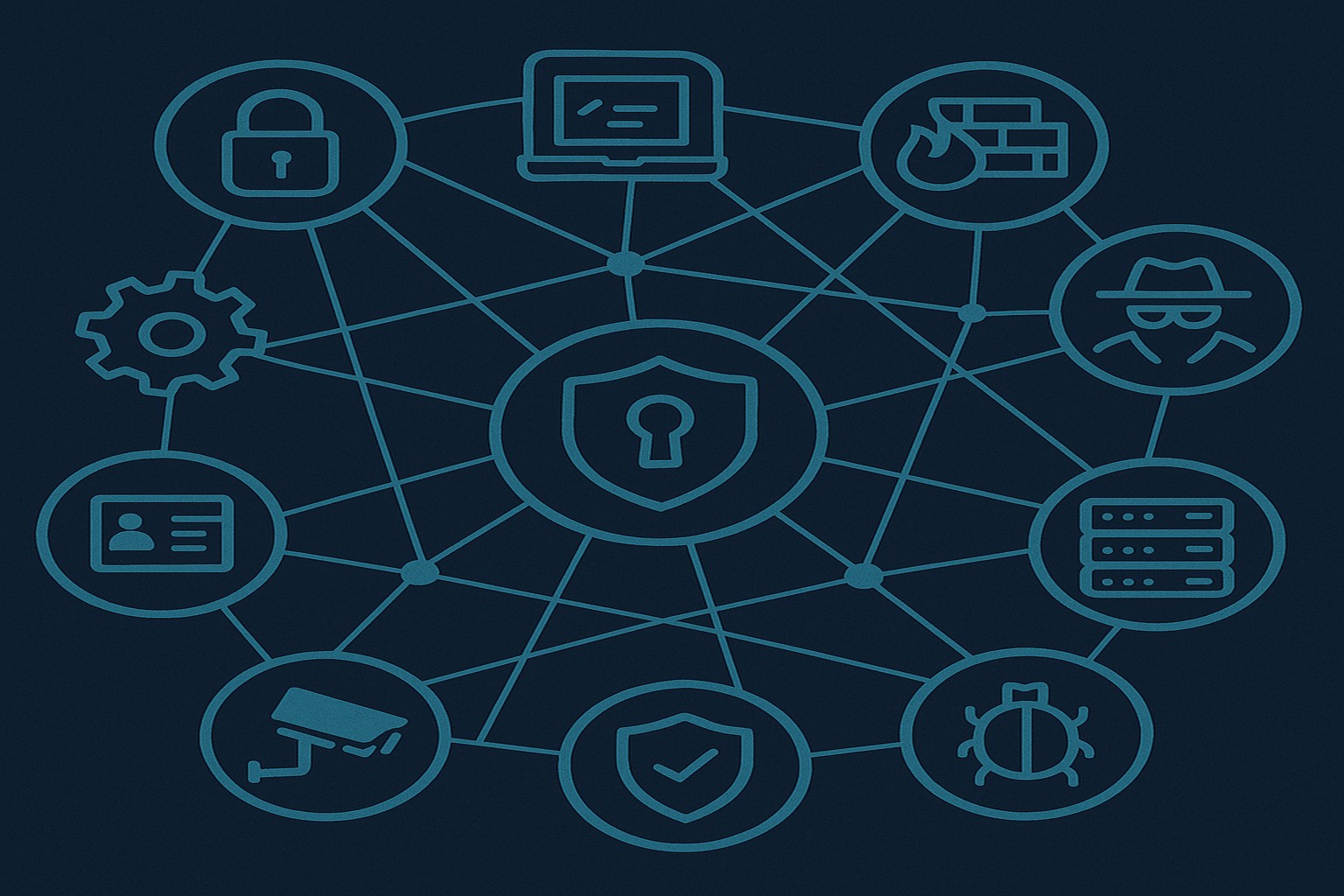
NIS2 Article 21 Technical Measures: The Complete Security Requirements Breakdown for 2026
NIS2 Article 21 defines 10 mandatory security measures every essential and important entity must implement. Complete breakdown of each requirement with implementation guidance, audit evidence expectations, and compliance timeline.
NIS 2 · · 8 min read
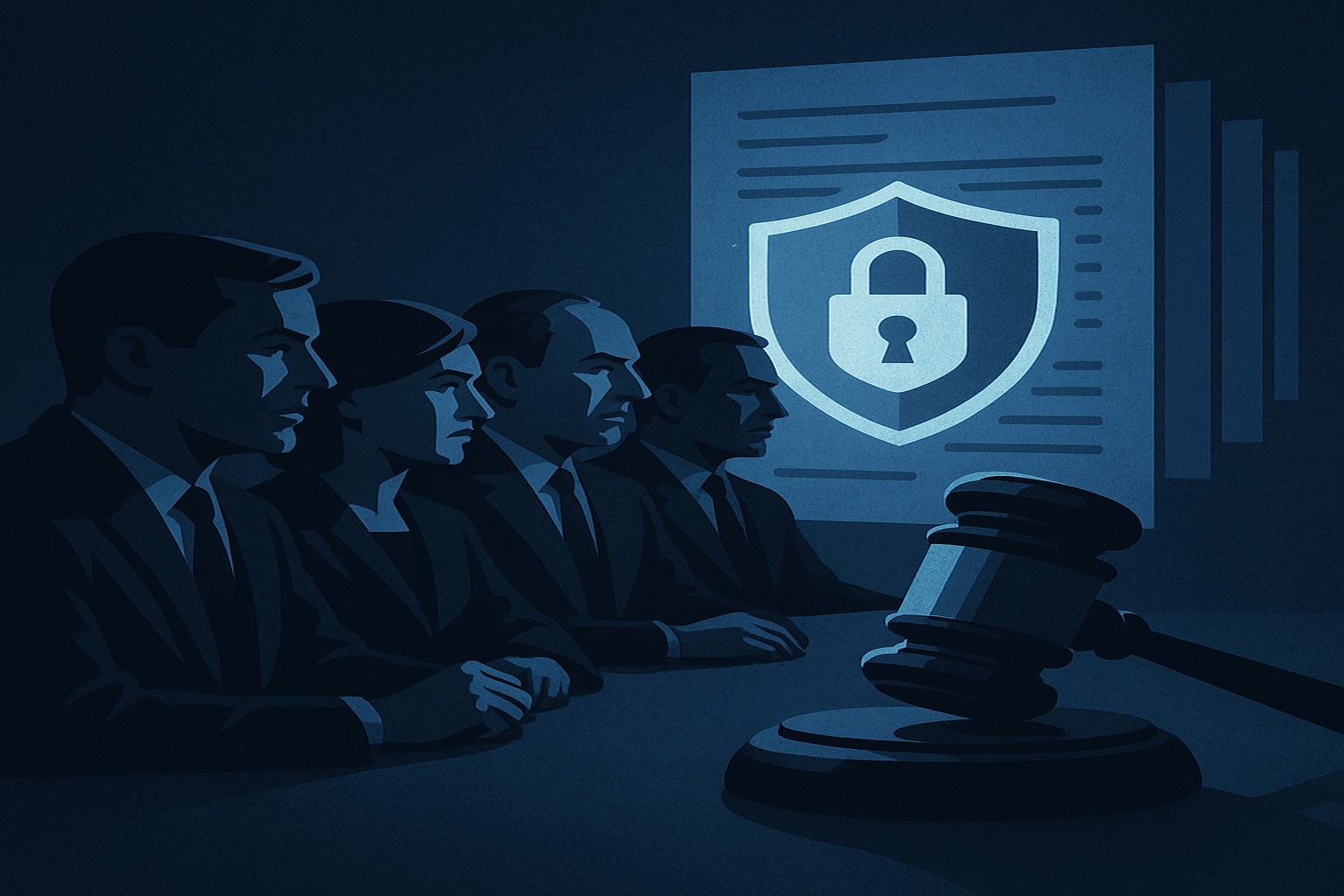
NIS2 Board Liability: Personal Fines, Bans, and What Management Must Know in 2026
NIS2 Article 20 holds management bodies personally liable for cybersecurity failures. This guide explains personal fines, temporary bans, and the 7 steps boards must take to protect themselves in 2026.
DORA · · 23 min read
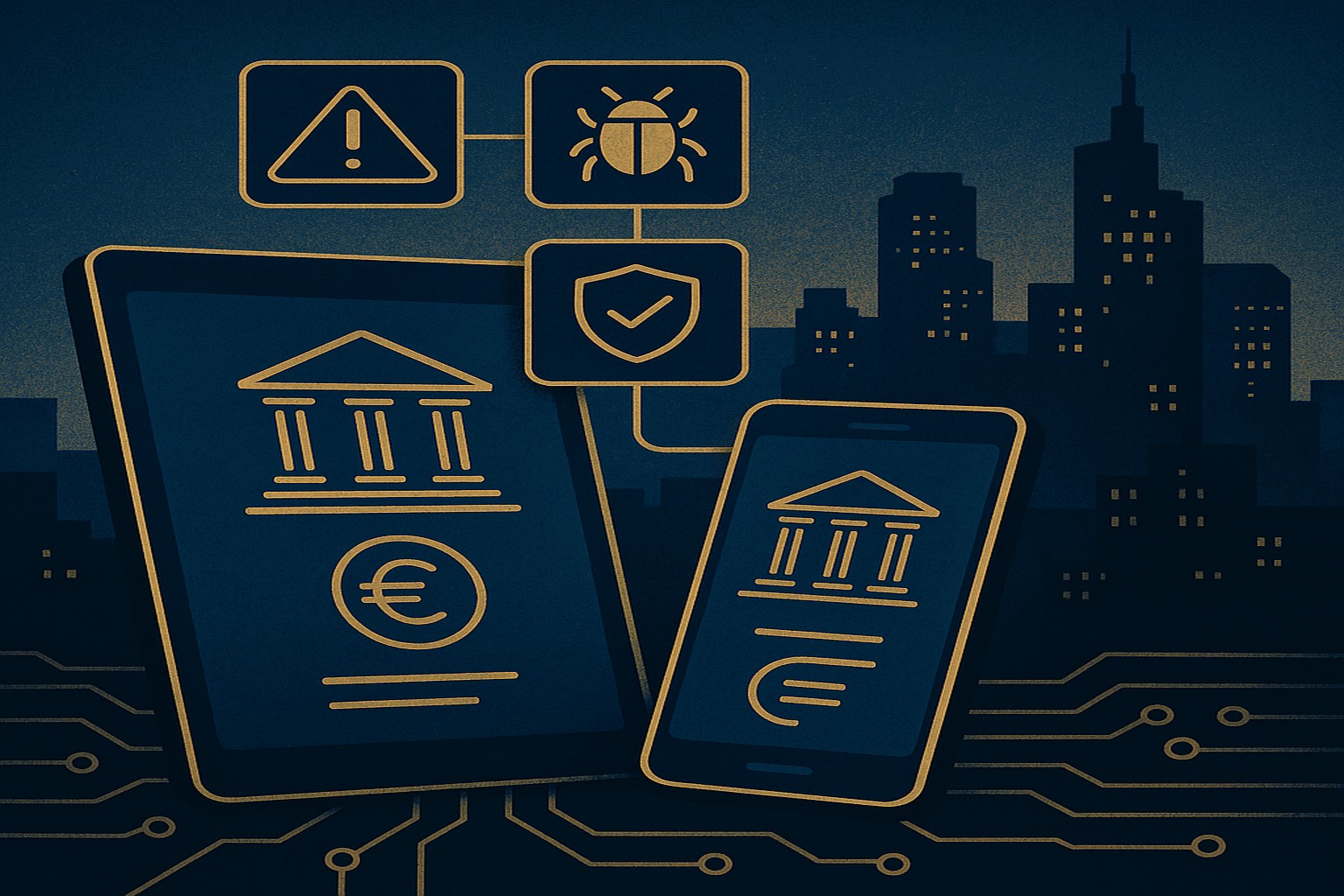
DORA ICT Risk Management Framework: What Cyber Insurance Underwriters Must Know in 2026
Complete practitioner guide to the DORA ICT risk management framework for cyber insurance underwriting. Covers the 5 pillars, how they affect coverage decisions, underwriting questions for financial sector clients, and compliance deadlines.

NIS 2 · · 9 min read
NIS2 Compliance Cost: What European Companies Actually Spend in 2026
Real NIS2 compliance costs broken down by company size and sector. Essential entities spend €150K-€2M+, important entities €30K-€500K. Includes cost framework, hidden expenses, ROI calculation, and free tools to estimate your budget.

Cyber Insurance · · 8 min read
Cyber Insurance for Small Businesses in Europe: The Complete 2026 Guide
Everything small and medium businesses in the EU need to know about cyber insurance in 2026. Learn what coverage you need, how much it costs, NIS2 requirements, and how to find the right policy for your budget.
NIS 2 · · 4 min read
NIS2 Intelligence Digest — BSI Enforcement Activated, Penalty Calculators Updated
Weekly intelligence on NIS2 enforcement, supervisory activity, and cyber insurance market developments across the EU.

NIS 2 · · 6 min read
NIS2 Compliance Checklist for 2026: What Brokers Need to Verify Before Coverage Placement
Before placing cyber coverage for NIS2 in-scope clients, verify these 10 compliance checkpoints. Missing documentation is the most common coverage gap.

NIS 2 · · 9 min read
NIS2 Penalties Explained: Essential vs Important Entities and What They Mean for Coverage
NIS2 fines range from €7M to €10M depending on entity classification. Understand essential vs important entity penalties and how compliance posture affects cyber insurance pricing.
NIS 2 · · 16 min read
NIS2 Underwriting Questions: What Every Cyber Insurance Broker Should Ask
Practical Line 1, Line 2, and Line 3 underwriting questions for NIS2-exposed clients. Essential vs important entities. Coverage gaps brokers should flag.
Cyber Insurance · · 8 min read
Cyber Insurance Exclusions: What's NOT Covered in 2026
Critical guide to cyber insurance exclusions and coverage gaps. Learn what most policies don't cover, from unencrypted devices to nation-state attacks, and how to protect your business from blind spots.

NIS 2 · · 5 min read
NIS2 Penalties Explained: Essential vs Important Entities for 2026
Understand the critical difference between NIS2 essential and important entities. Classification criteria, compliance requirements, penalty differences, and what it means for your cyber insurance.

Cyber Insurance · · 5 min read
How Much Does Cyber Insurance Cost in 2026? A Pricing Breakdown for Underwriters and Buyers
Complete guide to cyber insurance pricing in 2026. Learn the key factors that determine premiums, from revenue size to security controls, with real market benchmarks for SMEs and mid-market companies.
Cyber Insurance · · 7 min read
Cyber Insurance Buying Guide 2026: What Every Business Needs to Know
A practical guide to choosing the right cyber insurance policy in 2026. Covers NIS2 compliance, key coverage areas, common exclusions, and how to get the best terms.

Ransomware · · 5 min read
Ransomware Claims in 2026: What the Data Tells Underwriters About Pricing Risk
Ransomware claims frequency is shifting again in 2026. Here is what the latest data patterns mean for how underwriters price cyber risk, structure deductibles, and evaluate ransomware-specific endorsements.
NIS 2 · · 10 min read
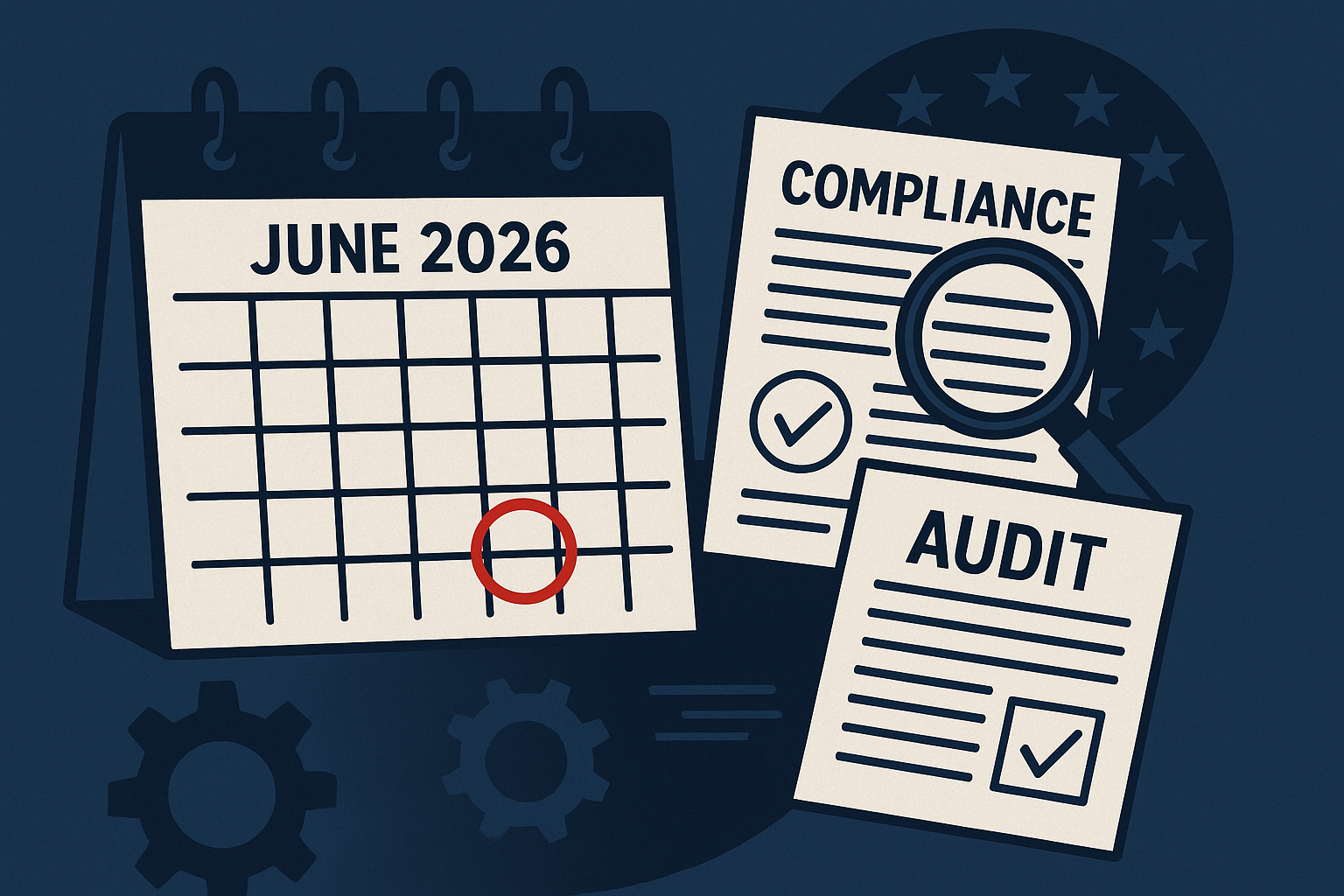
The NIS2 Audit Crunch: What Underwriters Need to Know Before June 30, 2026
With the June 30, 2026 NIS2 compliance audit deadline approaching, cyber underwriters face a narrow window to reassess risk profiles across their entire European portfolio. Here is what the audit requirement means for how you evaluate, price, and write cyber coverage.

AI · · 7 min read
AI in Cyber Underwriting: Attacker, Defender, and Underwriter Perspectives
Exploring how AI transforms cyber risk from three angles: how threat actors weaponize it, how security teams deploy it, and how underwriters must adapt their approach.

Newsletter · · 5 min read
Introducing The Underwriter's Edge
A new weekly newsletter for cyber underwriters, risk engineers, and brokers who want to stay ahead of threats, regulations, and emerging risks.